
SYMPHONY Nº 7,
“MEDITERRANEUM"
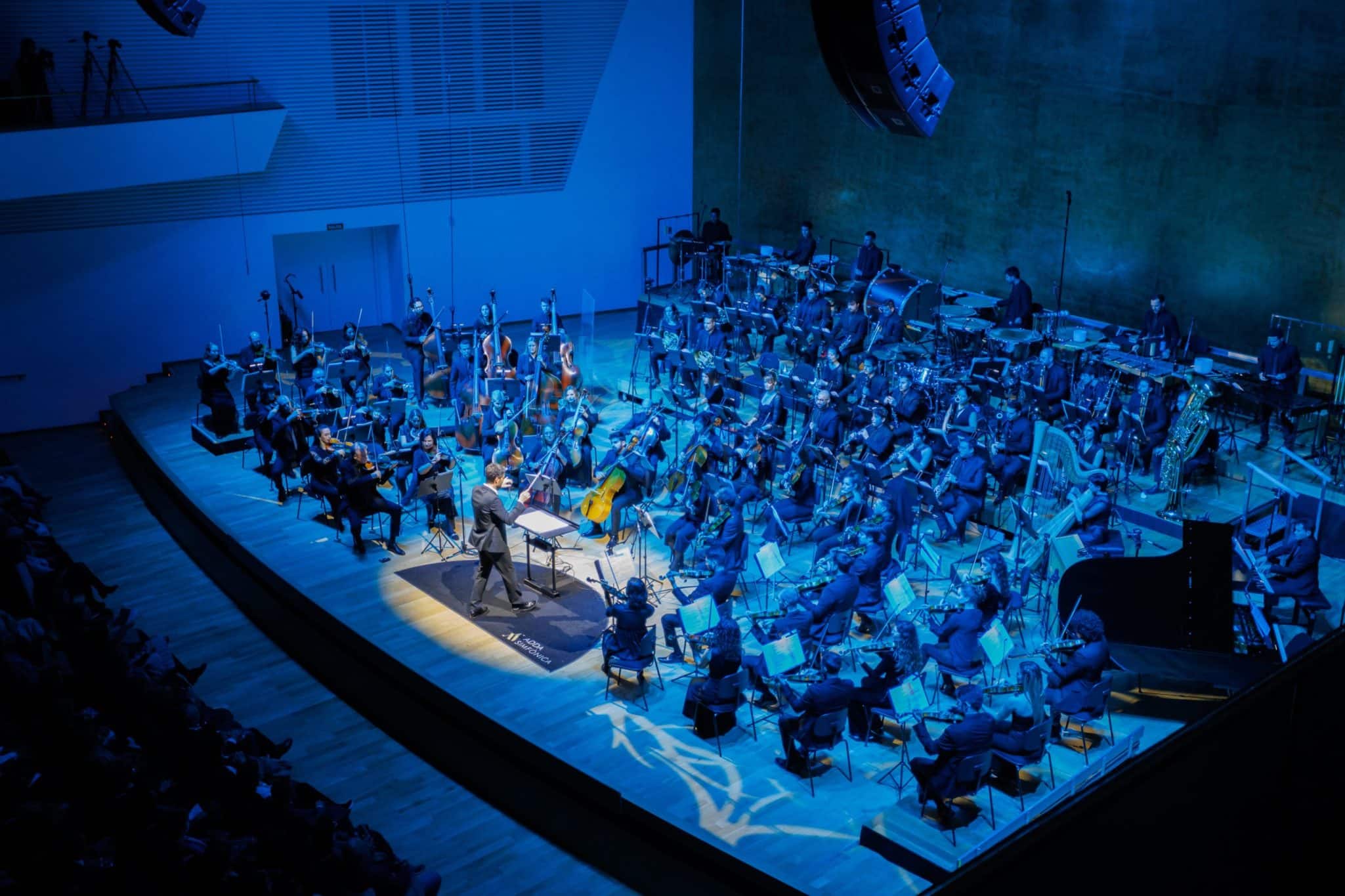
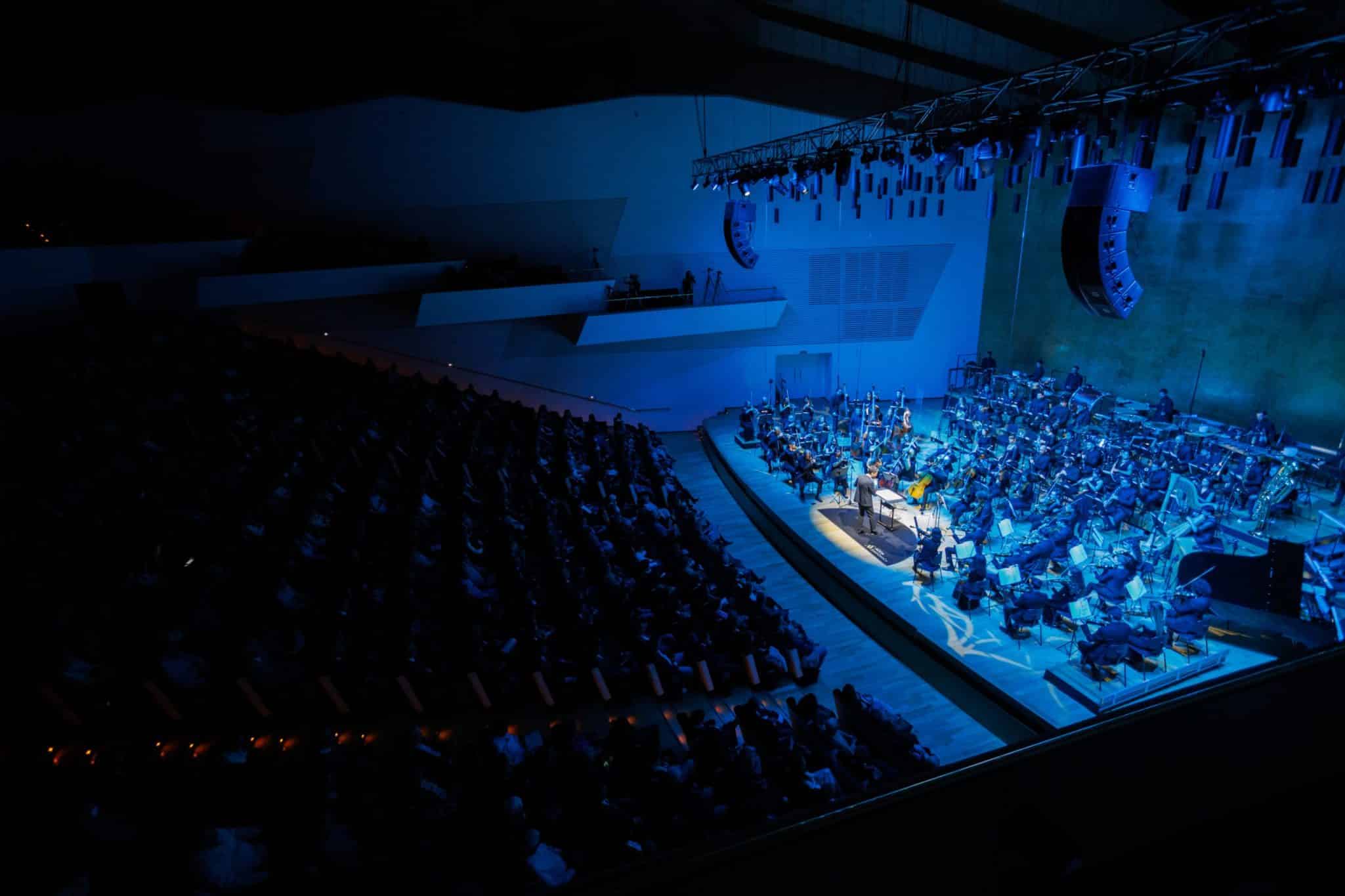
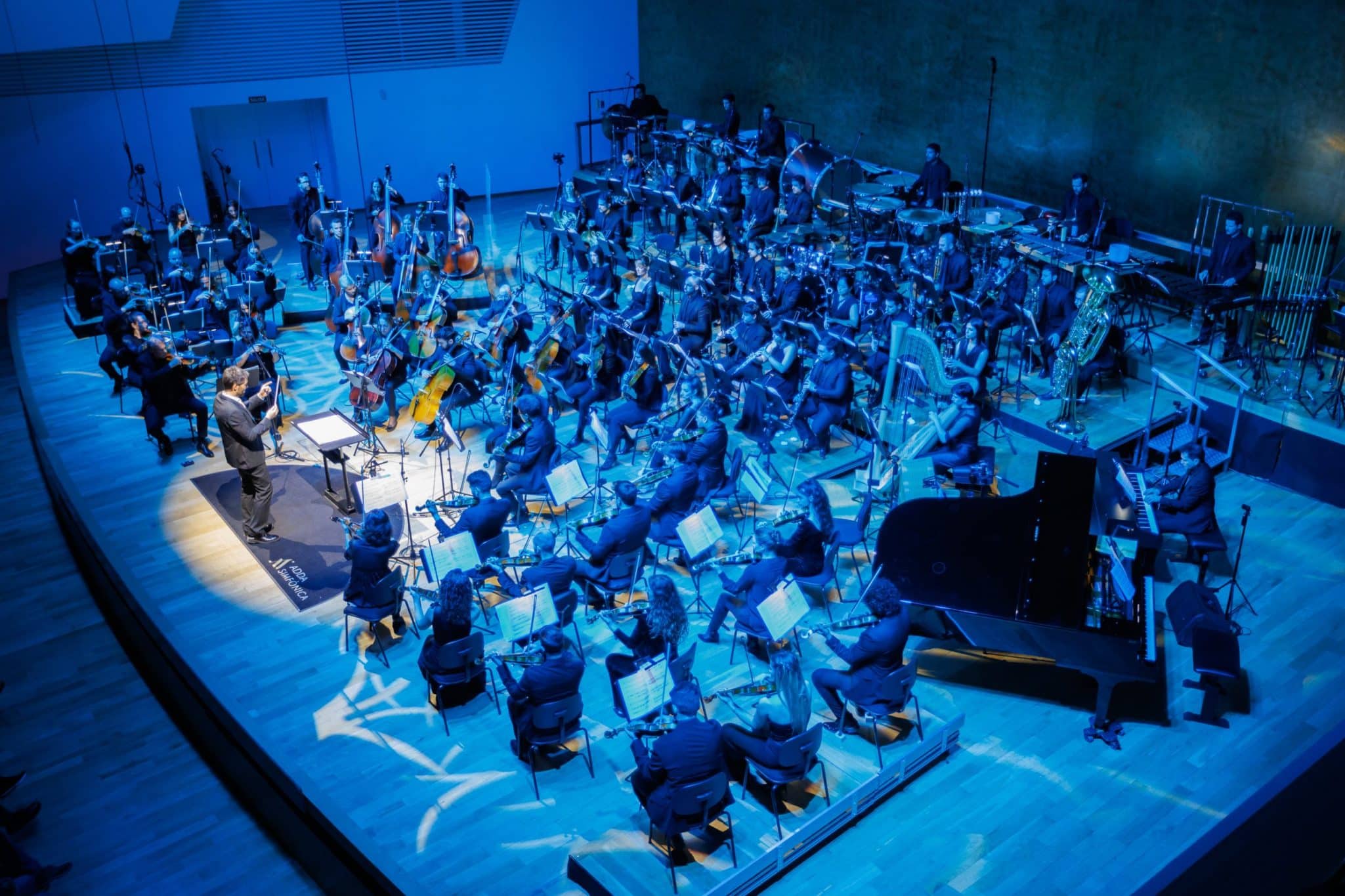
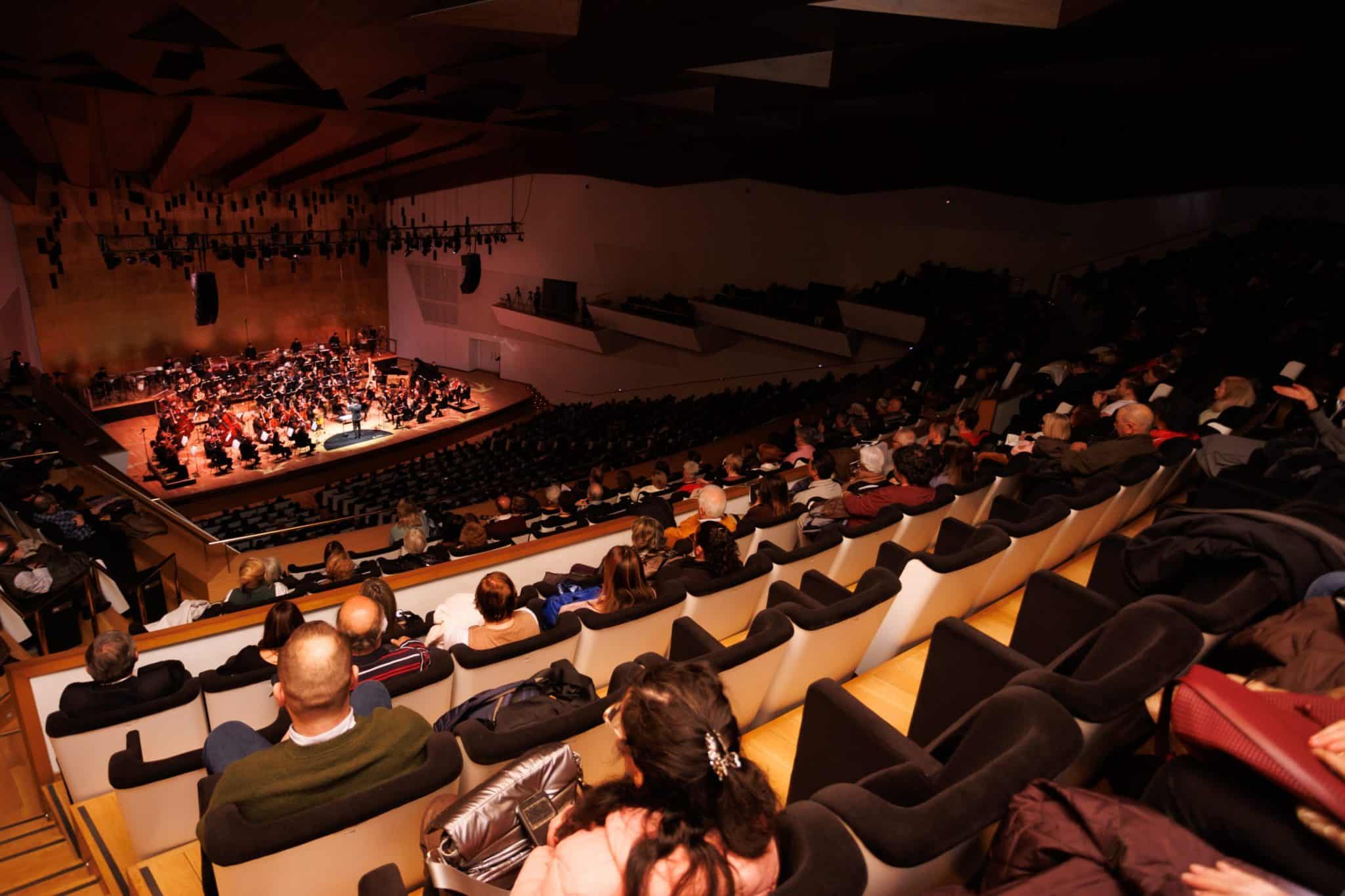
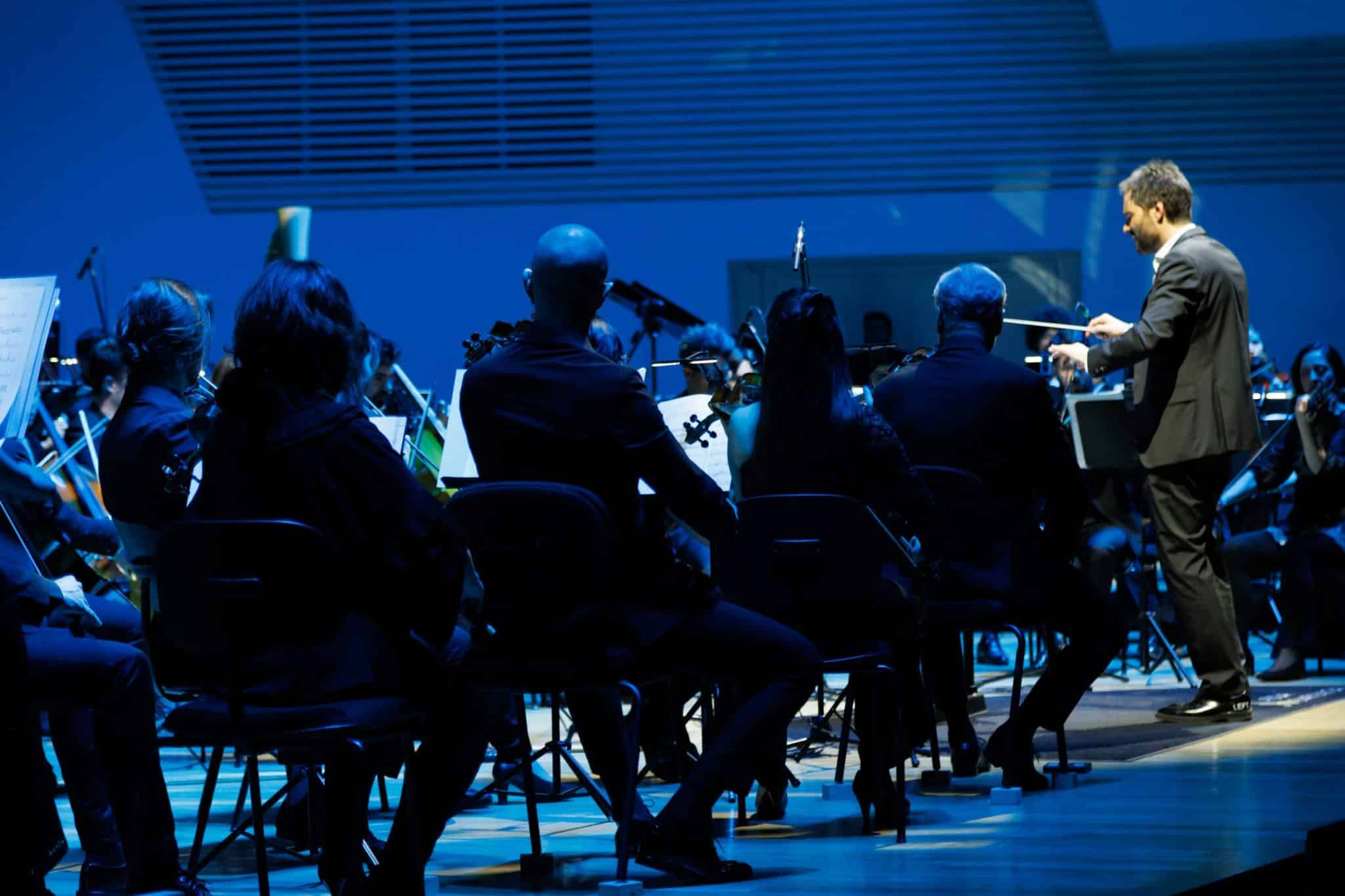
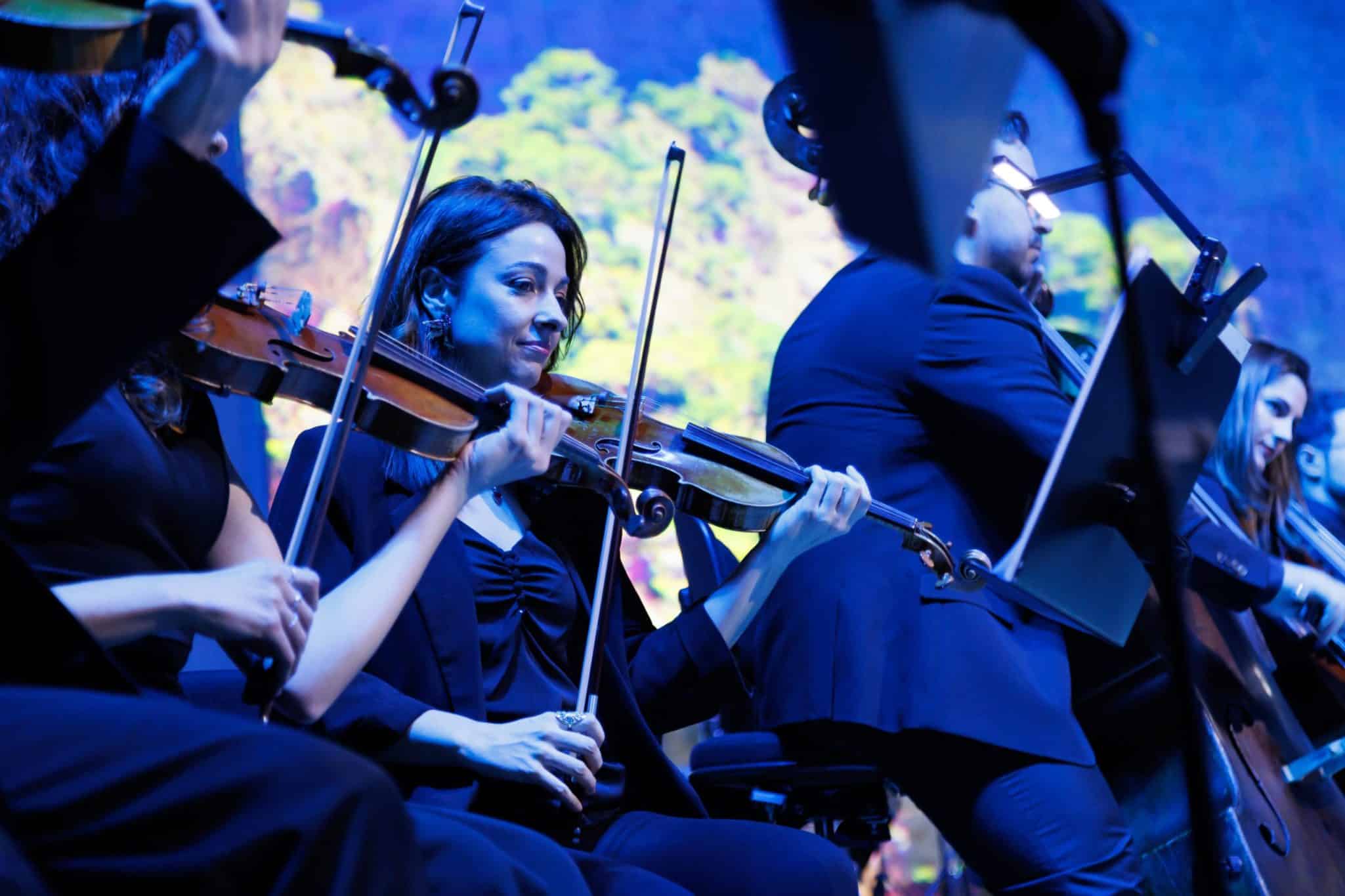
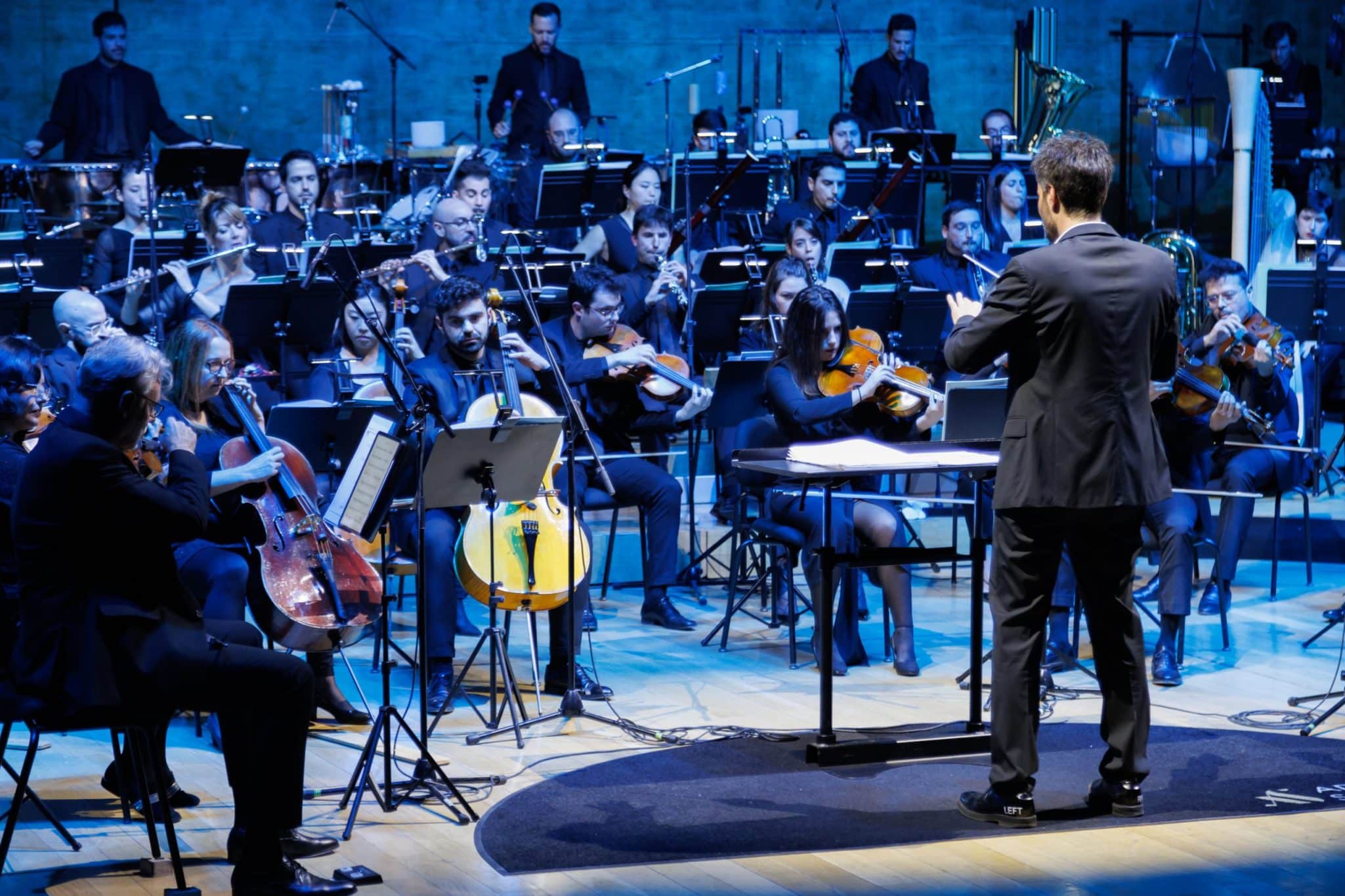
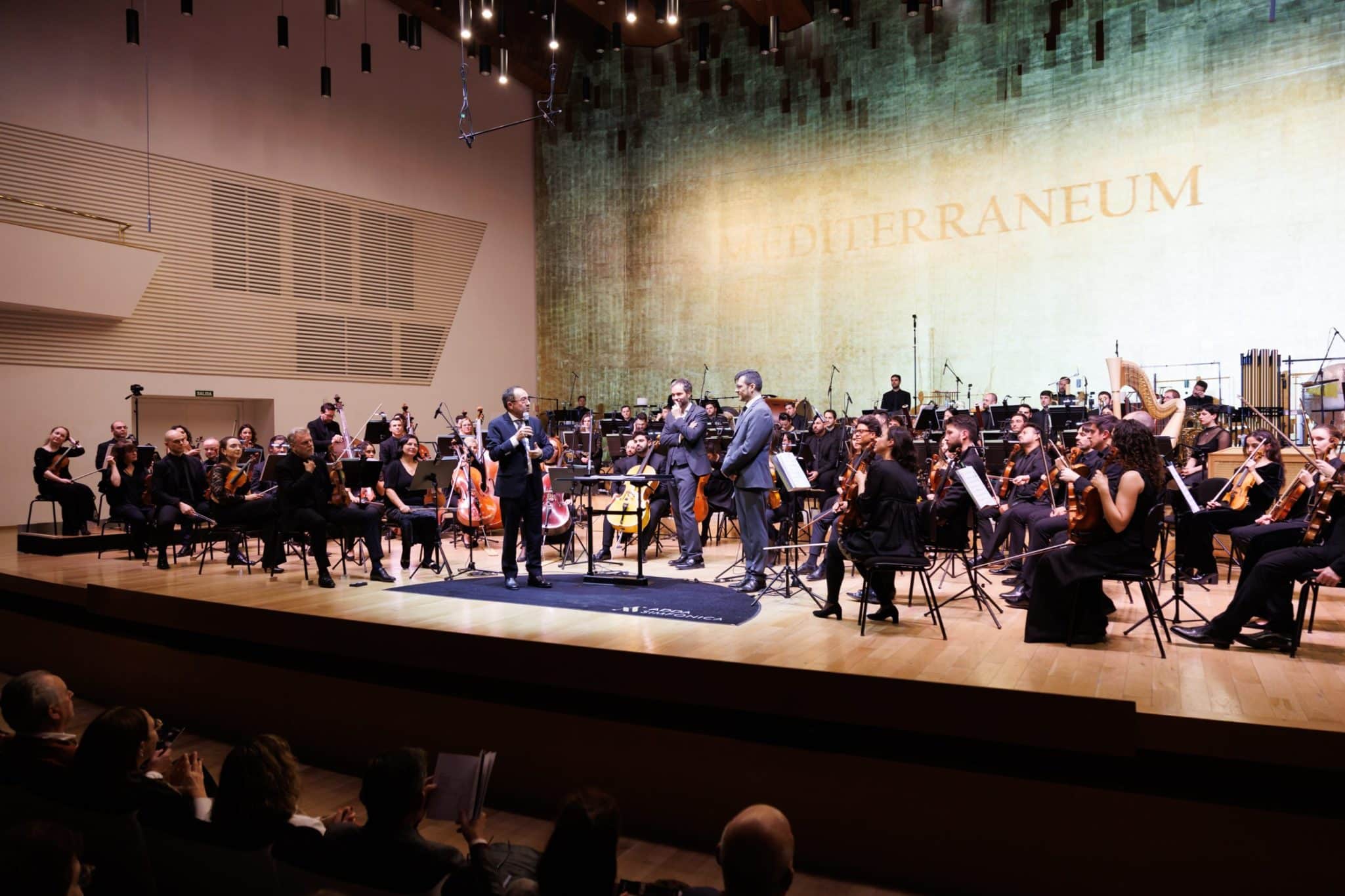
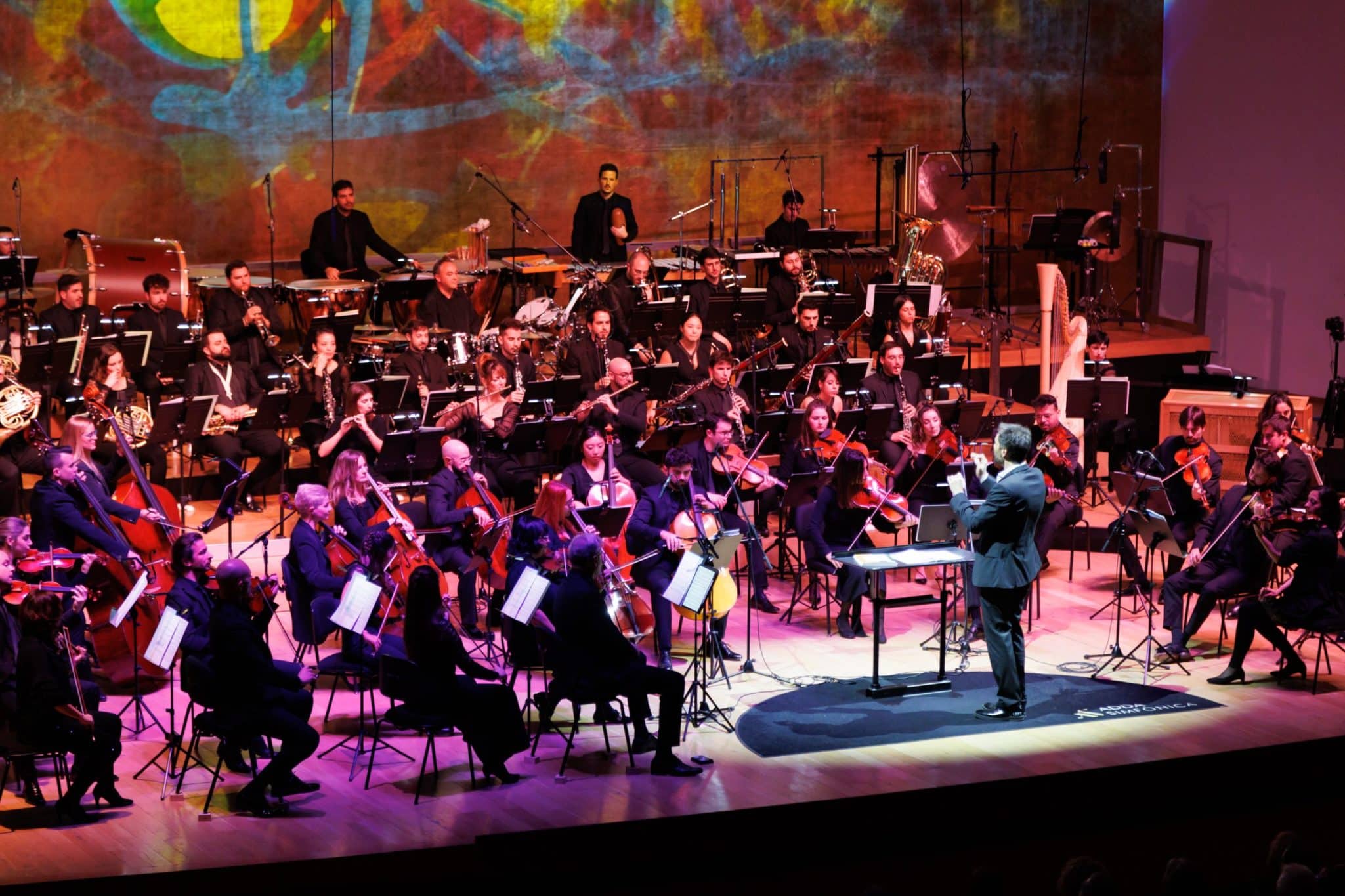
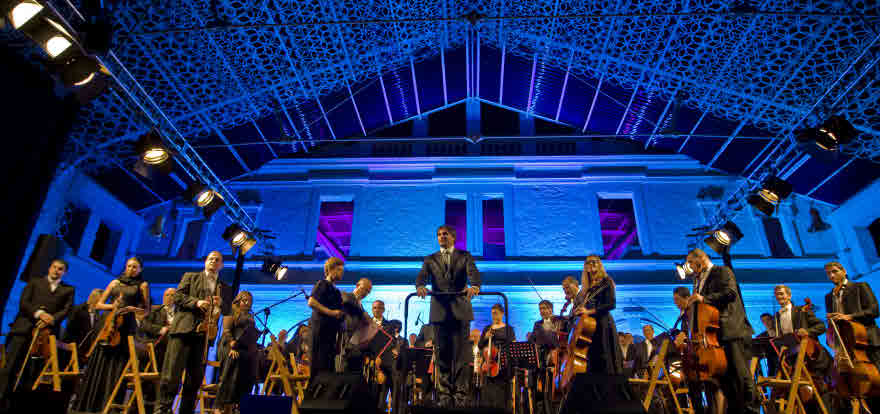
On January 28, 2023, the world premiere of the symphony “Mediterraneum,” composed by Andrés Valero-Castells, was performed by the ADDA Simfònica Orchestra, conducted by Josep Vicent.
On January 28, 2023, the world premiere of the symphony “Mediterraneum,” composed by Andrés Valero-Castells, was performed by the ADDA Simfònica Orchestra, conducted by Josep Vicent.
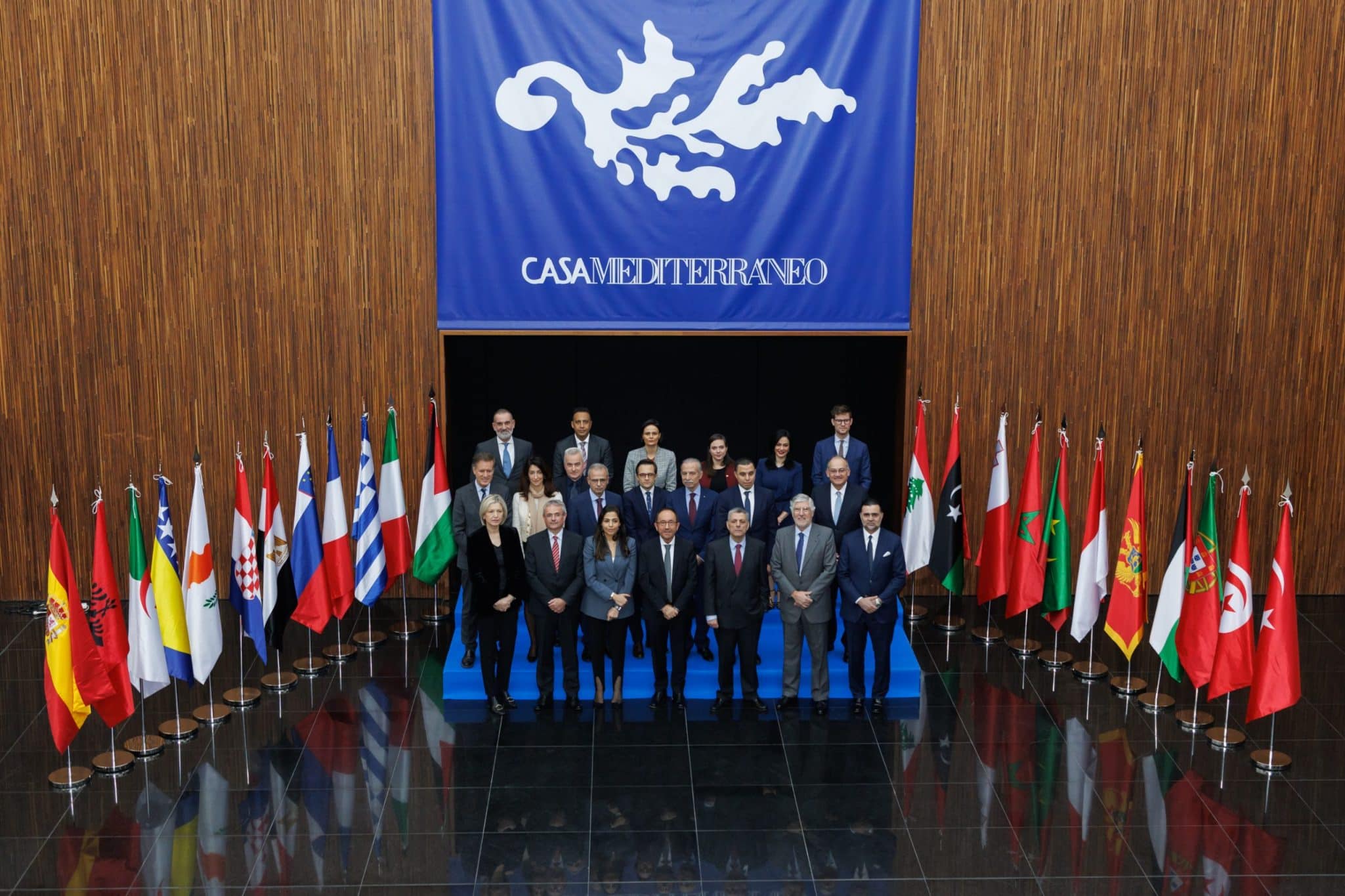
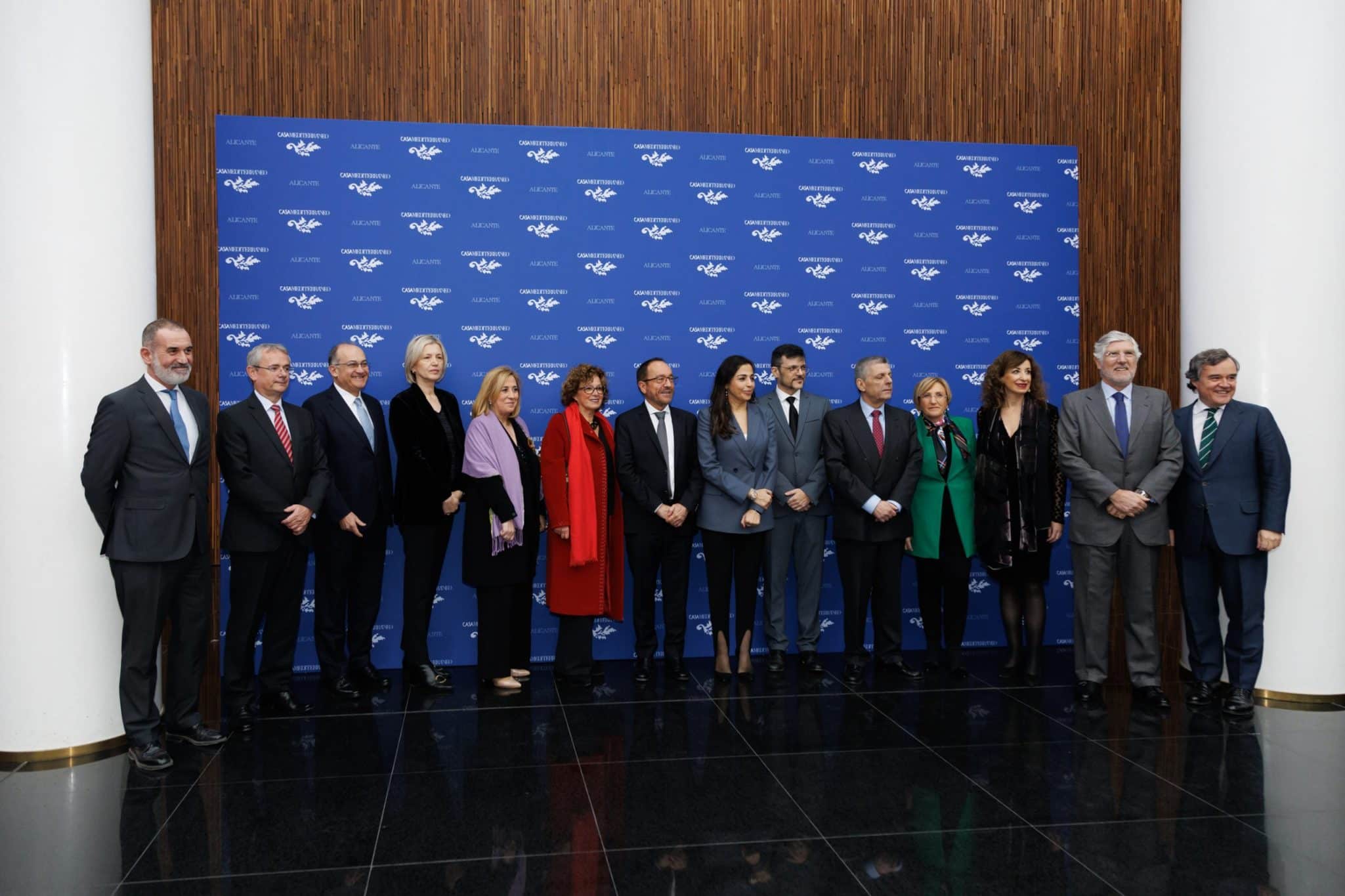
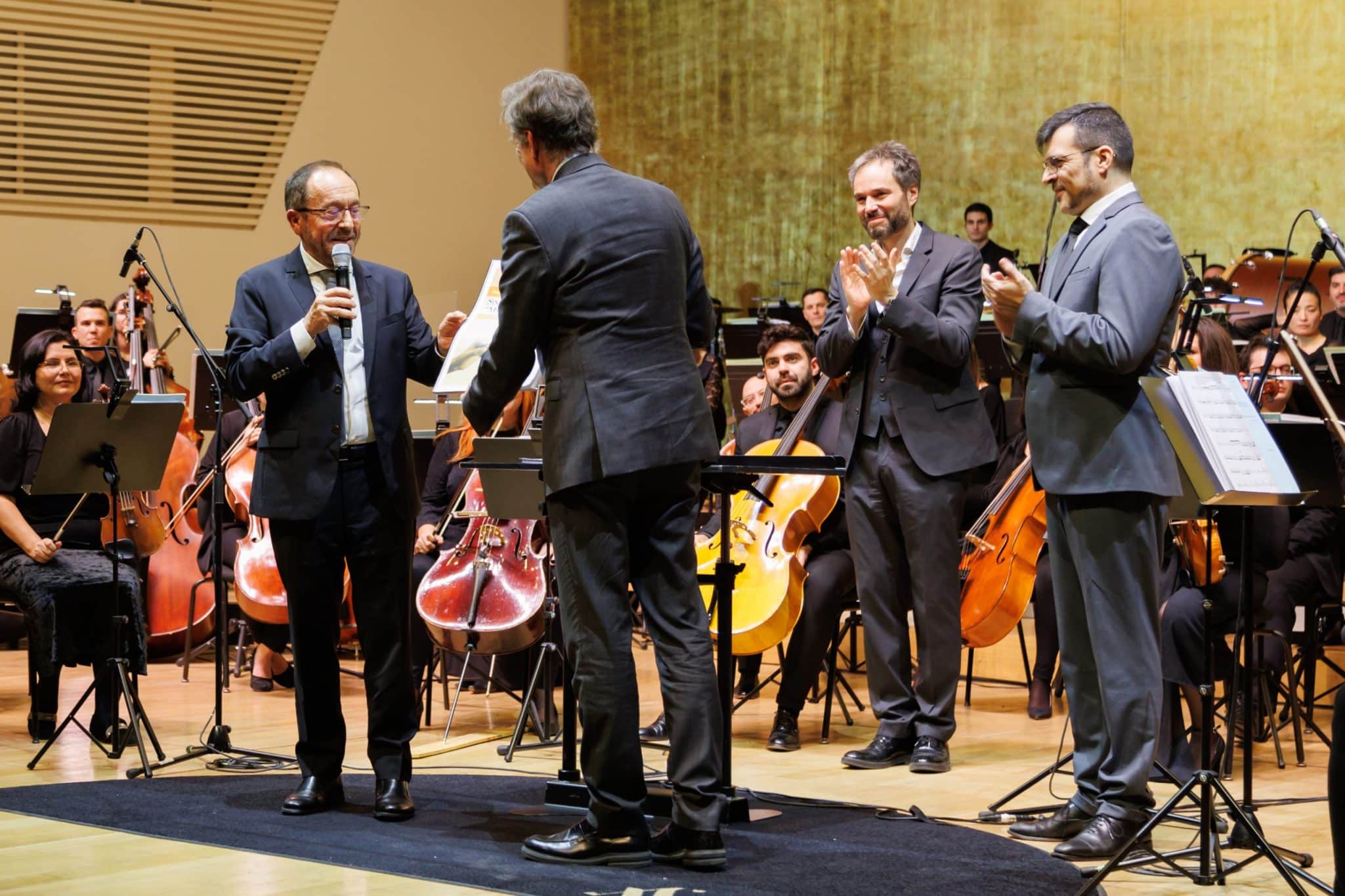
The piece was presented during the inaugural meeting of the Casa Mediterráneo Diplomatic Council, in front of the ambassadors from 23 Mediterranean countries, who received a score of the work dedicated to their respective peoples.
The symphony “Mediterraneum,” composed specifically for Casa Mediterráneo, aims to artistically represent the major themes surrounding the Mediterranean: on the positive side, a rich history, flourishing civilizations, cultural and commercial exchanges, etc., but also the negative phenomena such as the relentless deaths of immigrants attempting to reach a better life on the opposite shore.
The first movement, “Cradle of Civilizations,” is organized with a retrospective look, reminiscing the music symbolizing the cultural birth of some of the most powerful peoples.
Four key documents are considered the earliest written musical records of our civilizations. Various documents were selected, such as the Hurrian Hymn to the Goddess Nikkal (1400 B.C.), the Delphic Hymns to Apollo (128 B.C.), the Seikilos Epitaph (1st century A.D.), and the Oxyrhynchus Hymn (3rd century A.D.). These were found in Syria, Egypt, Turkey, and Greece. Therefore, besides connecting with this historical memory, they offer a broad paradigm of everything involved in the Mediterranean as the cradle of civilizations.
Next, as a current issue, sociological migration movements are a powerful, present, and unfortunate phenomenon. The second movement, called “Tragedy of Migrants,” highlights the fact that the Mediterranean basin, the cradle of civilizations, is at the same time a tragedy, an unfortunate tomb for people.
After this part of the tragedy, there is room for hope. Thus, in the third movement, titled “Mediterranean Utopia,” perhaps the most descriptive and open at the same time, the intention is to create the sensation of entering the sea. At a given moment, we hear three sea shells, a metaphor for a dialogue between the three continents that invites reflection in a very gentle way. It is a part of the work where the sounds are very soothing, aiming to invite reflection from within the sea, as if we think there is still a solution. It is also a denunciation because the Mediterranean can be a tomb for many people but also for itself. It is the most polluted sea on the planet, with many factors such as hydrocarbons, pollution, overfishing, etc. The third movement is the most optimistic in this sense and ends with a small nod to the work of composer and friend Rafael Liñán, “Utopian Polyphonies,” which connects perfectly with the content in terms of the sound environment.
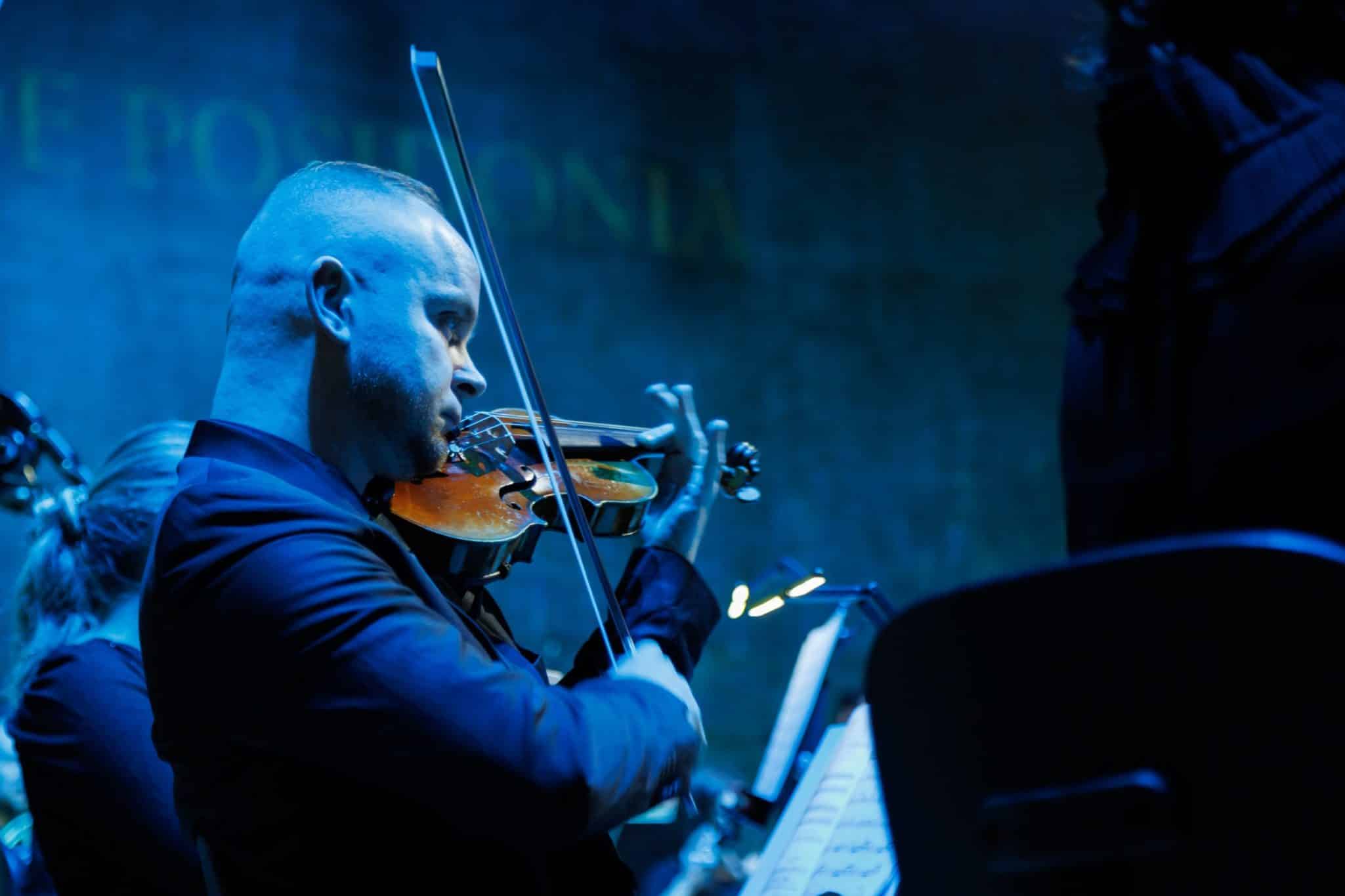
Finally, the last movement, “Posidonia Meadows,” is even more optimistic, emphasizing the true ecological jewel of the Mediterranean. It is something nature offers us and must be preserved and enhanced because it is a lesson on how nature itself can help regenerate life in the Mediterranean. Musically, what happens in “Posidonia Meadows” is that, in some way, the musical elements exposed up to that point are recycled, so the symphony closes with a sense of logic, revisiting some of the themes already presented, combined in different ways.